The Eyes of Others
A glance can create closeness or trigger defensiveness. This essay explores why people avoid eye contact in everyday life, why some glances feel like a risk – and why a small smile sometimes connects more than words.
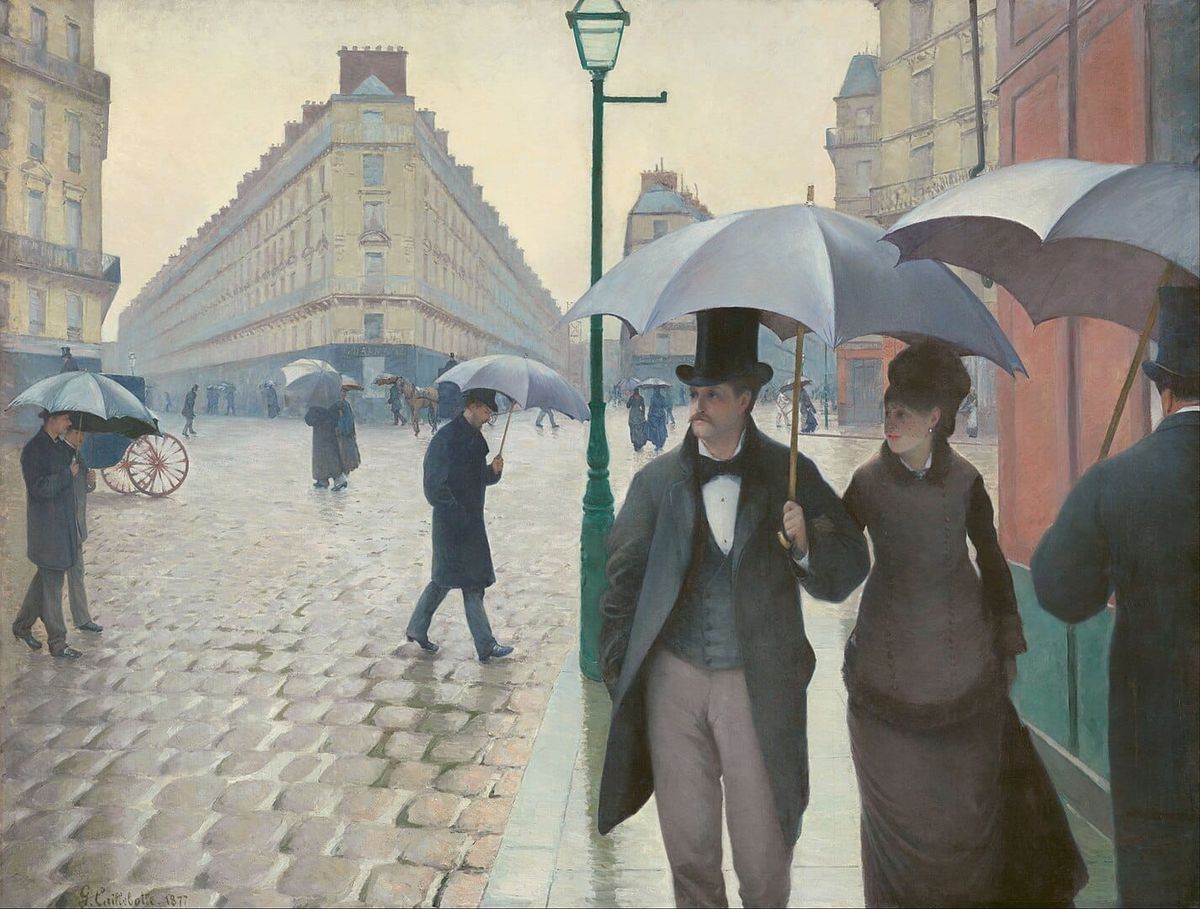
There are moments in the city when eye contact feels like a spotlight that is too bright. You raise your eyes, meet someone for a second, and in that second something arises that is bigger than the moment itself: a tension, an evasion, sometimes a brief breath of hostility. As if the glance alone crossed a boundary that nobody talks about, but everyone defends.
I have noticed this for years. Maybe because I look at people by nature – not staring, but curious, warm, with a slight smile when the day is good. And this smile, which asks for nothing, triggers in some people an irritation you can almost feel physically. Especially in older teenagers, especially in those who have learned to wear toughness like armor. Boys in hoodies, girls with big, wary eyes, groups who have to cover for one another before they can even breathe. Sometimes a friendly glance is enough, and their body immediately says: Careful. Control. Show no weakness.
If you look more closely – really look – you notice that eye contact in public space has long stopped being a neutral event. It is a signal. A move toward someone. A small touch without skin contact.
The gaze is older than language. Friend? Enemy? Danger? This check still runs before we think. Every unfamiliar gaze activates old reflexes – not decisions, but programs of the body. And anyone who is already tense, from stress, tiredness, overload or insecurity, reacts to it immediately.
Yesterday on the U3, one of Vienna’s subway lines. A young man, maybe twenty, tracksuit, hood pulled low, his body tense as a spring. Our eyes meet. I smile slightly. He turns his head away, jaw tight. Seconds later he looks again – and I realize: he doesn’t know how to read this. The tension rises briefly, then subsides. Two stops later he raises his eyes again. This time without hardness. Just tired. Almost trusting. No one else notices.
On public transport there is this unspoken agreement: we pretend we are not there. A glance breaks this fiction, and many people experience it as an invasion.
In some contexts a glance is also a question of power. A test. A challenge. Especially where young people grow up in environments in which toughness is the only safe language; in families that never taught trust; in groups where you have to prove yourself before you are even allowed to exist. Some come from societies in which you do not look openly at strangers. Others from situations in which openness made them vulnerable. Still others have simply learned that an open glance can be an invitation to get hurt.
When I look at someone in a friendly way, I sometimes touch exactly this code without meaning to. For them, the glance is a risk. For me, it is an offer.
Maybe what irritates them, too, is that I wear no mask. No coolness, no toughness. Just attempted openness. And openness feels unfamiliar to many, sometimes threatening. You only show it if you have learned that the world is reasonably safe – or if you have decided not to keep fighting your own nature. I belong to the second kind. Precisely because the world is so hectic and hard, you have to push back.
Many people carry a silent shame within them. A shyness about being seen – really seen, without filters, without defense mechanisms. Eye contact forces you into the light for a moment. And some shy away from this light because it brings them too close to something they have been hiding for years.
I am one of those people who had to learn in childhood to be especially attentive. Not out of interest, but out of need. Insecure attachments, unpredictable caregivers, early put-downs – all of this shapes a nervous system that is constantly scanning. Add to that growing up as a queer person in a world that often demands the norm – this early, constant weighing up: Am I safe here? Will I be accepted? Rejected? That began long before I had words for it. Reading microexpressions was not a talent – it became a protective mechanism.
Today I look not out of fear but out of empathy. I perceive micro-tensions, recognize moods, see how someone turns their head to hide something. Sometimes I read more in a glance than others do in a conversation. Not because I am better, but because my body never learned to look away.
I see them – and they sense that I see them.
But there are also the others. The ones whose faces relax for a moment. The ones who smile back. The ones who sense that my glance demands nothing and carries nothing threatening, nothing testing. Just a small gesture of humanity.
These brief moments remind me why I like to keep looking. Not out of defiance, but out of a feeling that otherwise we will unlearn how to perceive one another. I believe that a single glance sometimes holds more compassion than a hundred conversations. And that a society in which everyone only looks at the ground slowly loses touch.
In the end it comes down to something simple:
The glance of a stranger may be the most honest form of closeness everyday life allows.
Some can bear it – others cannot. Not because anything is wrong, but because no one taught them to be seen without feeling threatened.
Perhaps that is why eye contact reveals so much:
who trusts, who fights, who has been hurt, who protects themselves, who searches, who flees.
And who, like me, sometimes simply shares a small smile – as a reminder that in this fast-paced, impersonal city we do not have to become shadows.
Originally published in German as “Die Augen der Anderen”. English version by Dorian Rammer, translated with AI assistance.